
Why Flooring Matters More Than You Think

Flooring is the foundation of every room in your home, affecting everything from daily comfort to long-term property value. With the global flooring market projected to reach USD 570.5 billion by 2030, homeowners have more choices than ever—but also more confusion about which type is right for their needs.
Quick Answer: The 5 Main Flooring Types
Flooring Type Best For Key Benefit Price Range Hardwood Living rooms, bedrooms Timeless beauty, increases home value $$$ Vinyl Kitchens, bathrooms Waterproof, affordable $ Laminate High-traffic areas Budget-friendly wood look $ Tile Bathrooms, kitchens Extremely durable, waterproof $$ Carpet Bedrooms, living rooms Soft, warm, quiet $$
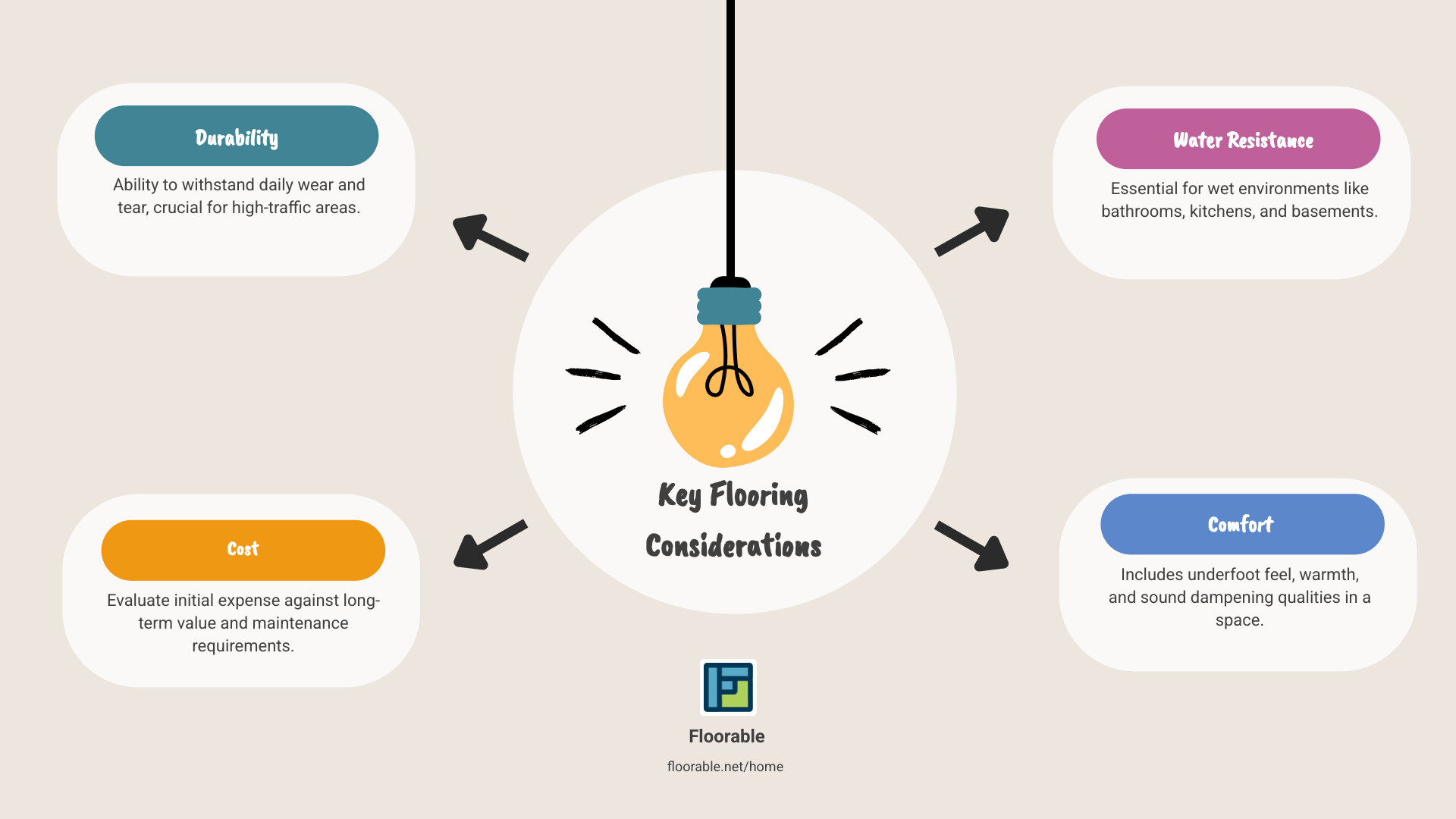
Choosing the right flooring means balancing aesthetics, function, and budget. A beautiful floor does more than look good—it withstands daily wear, resists moisture in wet areas, provides comfort underfoot, and can even reduce your energy bills.
The wrong choice, however, can lead to costly repairs. Installing hardwood in a moisture-prone basement or choosing carpet for a busy kitchen creates problems down the road. That's why understanding each material's strengths and limitations is essential before you invest.
This guide walks you through everything you need to know about flooring types. You'll learn which materials work best in different rooms, how to compare costs and lifespan, what maintenance each type requires, and how current design trends can refresh your home's aesthetic.
Whether you're renovating a single room or planning a whole-home change, you'll have the knowledge to make a confident decision that serves you well for years to come.
An In-Depth Look at Popular Flooring Materials
Choosing the right flooring for your home is like picking the perfect outfit—it needs to look great, feel comfortable, and work for the occasion. Over our 50 years changing homes in Maui, HI, and Kernersville, NC, we've guided countless homeowners through this decision. Let's explore the most popular flooring materials and what makes each one special.
Hardwood Flooring: Timeless Elegance and Value

Walking into a room with hardwood flooring feels different. There's a warmth and sophistication that immediately catches your eye. It's not just a floor—it's a statement that says you value quality and timeless beauty.
At Floorable, we offer two main types of wood flooring: solid hardwood and engineered hardwood. Solid hardwood is the real deal—a single piece of wood, usually 3/4 inch thick, running top to bottom. The beauty of solid hardwood is its longevity. You can sand it down and refinish it multiple times over the decades, essentially giving your floor a fresh start whenever it needs it. Browse our collection of stunning solid hardwood options to see what catches your eye.
Engineered hardwood takes a different approach. It features a real hardwood layer on top, bonded to several layers of plywood or high-density fiberboard underneath. This construction makes it more stable and moisture-resistant than solid wood. That means you can install it in places where solid hardwood might struggle, like basements or rooms with temperature swings. Plus, it's often easier on your wallet. Check out our engineered hardwood selection for versatile options that work in more spaces.
When shopping for hardwood, you'll hear about the Janka hardness scale. This measures how much force it takes to dent the wood—basically, how tough it is. Oak and maple score high on this scale, making them perfect for busy households. More exotic species like Brazilian cherry offer unique colors and grain patterns, each with its own hardness rating.
The biggest advantage? Refinishing potential. While other floors need replacement when they wear out, hardwood can be sanded and refinished multiple times. This longevity also means increased home value—real estate agents consistently report that hardwood floors boost resale prices.
On the flip side, hardwood comes with a higher cost than most alternatives, both for materials and installation. It's also moisture-sensitive. Water is hardwood's enemy, causing warping, swelling, or gaps between boards. That's why we generally steer people away from hardwood in bathrooms or humid basements (though engineered wood handles moisture better).
Maintenance requires attention too. You'll need specific cleaners and a bit of care to prevent scratches and dents. But for many homeowners, that beauty and longevity make it worth every penny.
Vinyl Flooring: The Champion of Versatility and Water Resistance
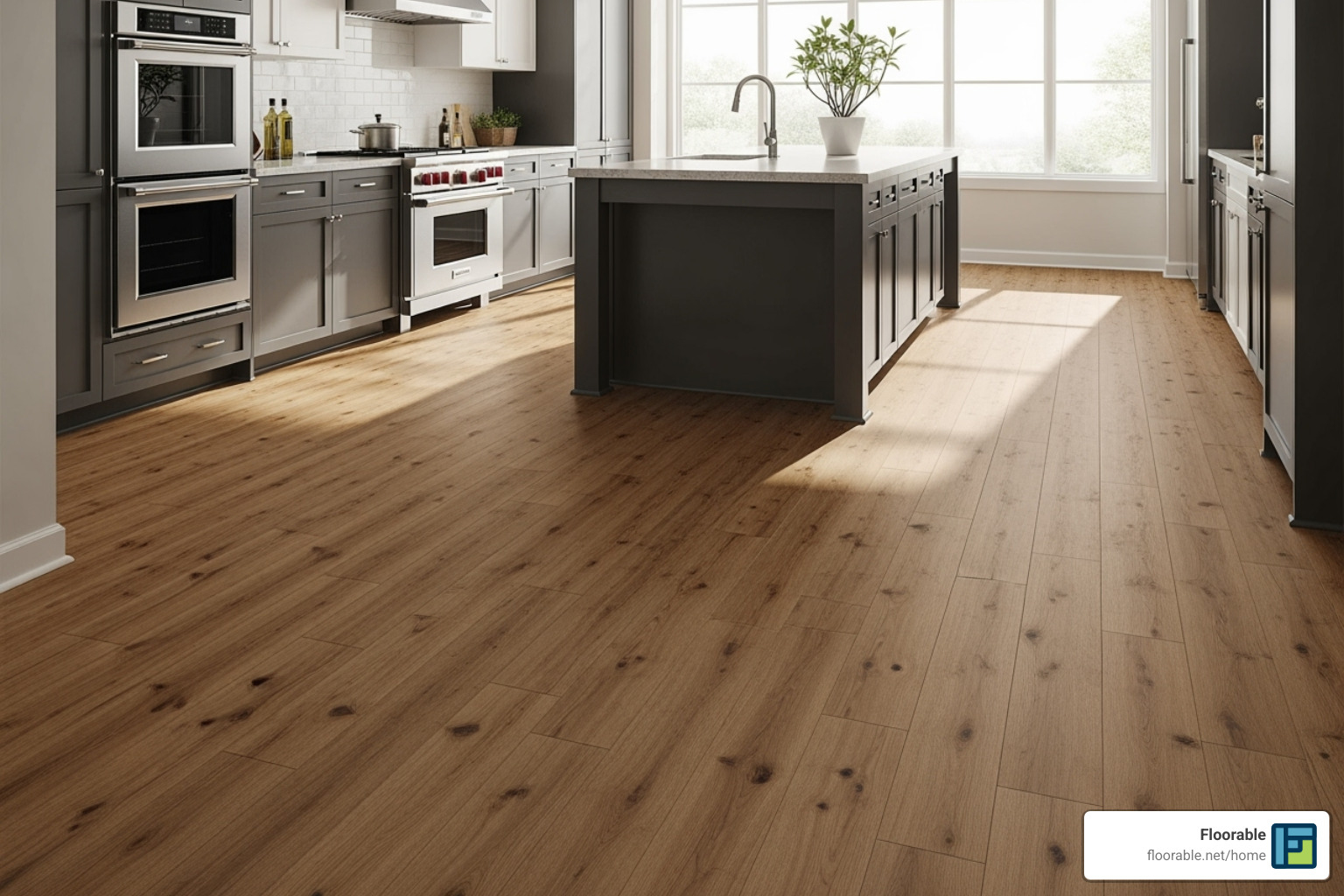
If someone told you ten years ago that vinyl would become one of the hottest flooring trends, you might have laughed. But today's vinyl isn't your grandmother's kitchen floor. Modern Luxury Vinyl Plank (LVP) and Luxury Vinyl Tile (LVT) look so realistic, guests often think they're walking on real hardwood or stone.
The secret is in the construction. These products use high-resolution photography and textured surfaces to mimic natural materials down to the smallest detail. But here's where vinyl really shines: it's waterproof. Not just water-resistant—completely waterproof.
This makes vinyl perfect for kitchens where spills happen, bathrooms that get steamy, and basements that might see moisture. Many of our customers in Maui especially appreciate this feature, given the island's humidity.
We offer fantastic click-lock installation options that snap together like puzzle pieces. Our click lock vinyl and WPC floors make installation straightforward enough for confident DIYers. We also carry click lock SPC floors—that's Stone Plastic Composite, which adds incredible rigidity and dent resistance to the mix.
The durability of vinyl impresses even skeptics. It stands up to scratches, dents, and scuffs that would damage other materials. Pets with claws? Kids with toys? No problem. And cleaning couldn't be simpler—just sweep and damp mop.
The affordable price point sweetens the deal. You get the look of expensive materials without the expensive price tag. Installation costs less too, especially with click-lock systems.
So what's the catch? Unlike hardwood, vinyl cannot be refinished. When it eventually wears out or gets damaged, you'll need to replace individual planks or the entire floor. It also doesn't add the same resale value as hardwood, though it certainly doesn't hurt your home's marketability.
But for low maintenance, water-resistant beauty that works in almost any room, vinyl is tough to beat.
Laminate: The Budget-Friendly Hardwood Alternative
Want the look of hardwood without the hardwood price? That's where laminate flooring enters the picture. It's designed specifically to give you that wood appearance while keeping your budget intact.
Laminate starts with a high-density fiberboard core, topped with a photographic layer that replicates wood, stone, or tile. A clear wear layer protects everything underneath. This wear layer gets rated with an AC durability rating—the higher the number, the tougher the floor. AC3 works great for residential spaces, while AC4 and AC5 can handle heavy traffic.
Like vinyl, many laminate options feature floating installation with click-lock systems. The planks interlock without being glued or nailed to the subfloor, making installation faster and more forgiving. Our selection of laminate floors includes trending styles and wide plank profiles that look remarkably like real wood.
Laminate is scratch-resistant and holds up well to daily life. It won't fade from sunlight like some materials, and it's easy to keep clean with regular sweeping. The cost-effective price makes it popular for whole-home installations where budget matters.
The main weakness? Water. Traditional laminate is susceptible to water damage. If water seeps between planks or sits on the surface too long, the fiberboard core can swell and warp. That's why we don't recommend it for bathrooms or humid basements. Newer water-resistant laminates help, but they're still not truly waterproof like vinyl.
Laminate can also sound hollow or noisy without underlayment. A good underlayment pad solves this, adding cushion and reducing that clicking sound when you walk.
Like vinyl, laminate can't be refinished—damaged sections need replacement. And while it looks convincing, it doesn't feel quite like real wood underfoot. But for budget-friendly style that's tough enough for busy families, laminate delivers.
Tile: Unbeatable Durability for High-Traffic and Wet Areas
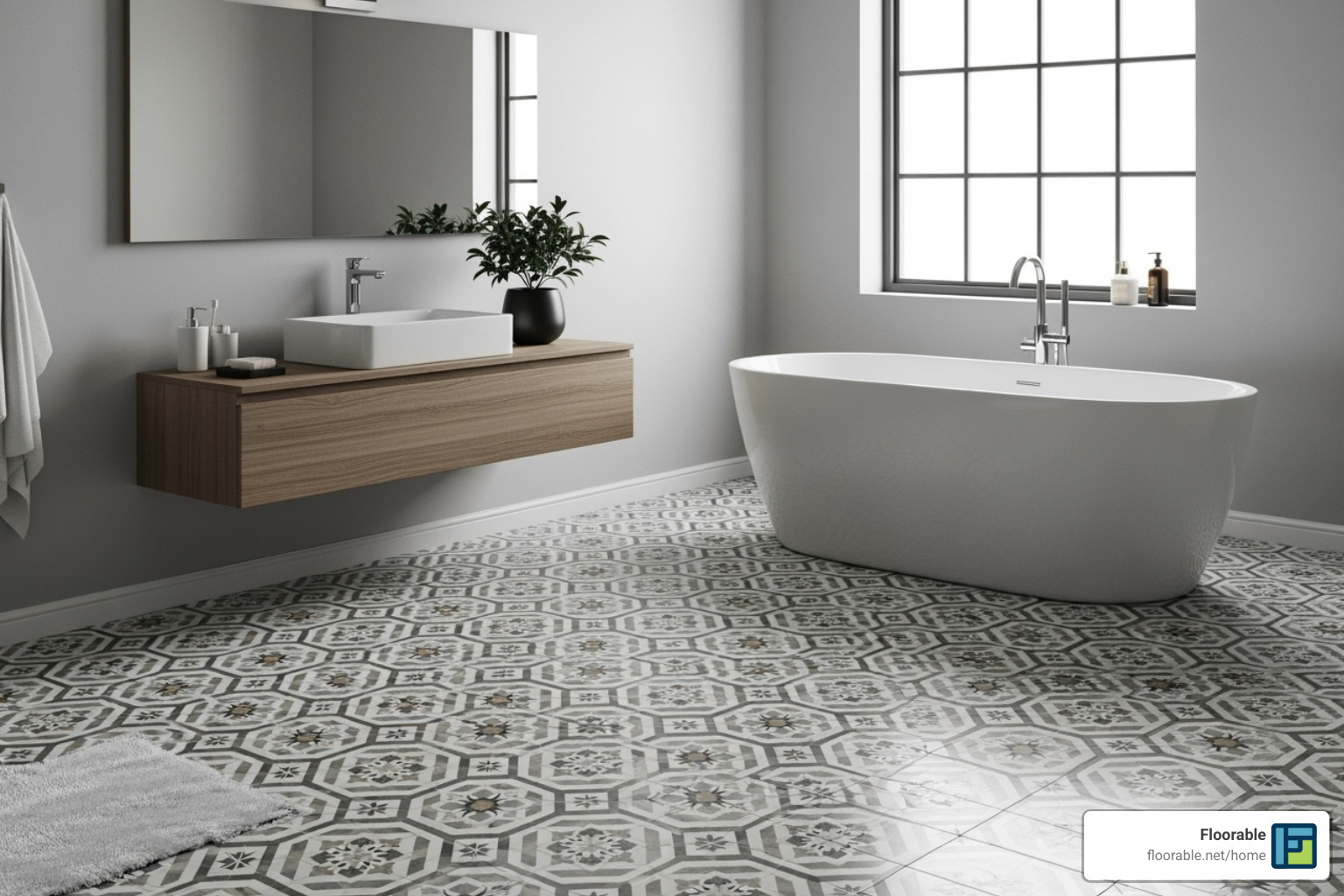
If you want flooring that practically laughs in the face of water, spills, and heavy traffic, tile is your answer. We've installed countless tile floors in kitchens and bathrooms across Kernersville, NC, and they just keep going.
You'll mainly choose between porcelain and ceramic tile. Ceramic tiles are made from clay fired at high temperatures, often with a glazed finish. They're durable, easy to clean, and come in endless colors and patterns. Porcelain takes things further—it's made from finer, denser clay fired even hotter. This makes it harder, more water-resistant, and tough enough for outdoor use in many climates.
The grout between tiles deserves attention. It fills the gaps, holds tiles in place, and keeps dirt from sneaking underneath. But grout is porous, which means it can stain if not properly sealed. Quality grout and regular sealing keep your tile floor looking fresh. Epoxy grout costs more upfront but resists stains better and needs less maintenance.
Tile is extremely durable—it won't scratch, dent, or wear down from foot traffic. It's completely waterproof, making it ideal for anywhere water appears. Spills wipe up instantly, and it naturally resists stains. For allergy sufferers, tile doesn't trap dust or pollen like carpet does.
The design possibilities are easy to clean and practically endless. You can create intricate patterns, mix colors, or keep it simple and neat. From subway tiles to elaborate mosaics, tile lets your creativity shine.
But tile isn't perfect. It's cold and hard underfoot, which feels less welcoming on chilly mornings. Drop a glass on tile, and that glass is definitely breaking. Drop yourself on tile, and that's going to hurt. Installation is labor-intensive and usually requires professional help—laying tile takes precision and experience to do right.
Some glazed tiles get slippery when wet, though textured or matte finishes solve this problem. And keeping grout clean requires regular attention, though sealed grout makes this much easier.
For kitchens, bathrooms, mudrooms, and entryways, tile's unbeatable durability makes it worth considering.
Carpet: For Best Comfort and Warmth
There's something wonderful about sinking your toes into plush carpet on a cold morning. For pure comfort and warmth, nothing beats carpet in bedrooms and cozy living spaces.
Carpet comes in several fiber types, each with its own personality. Nylon is the workhorse—exceptionally durable, resilient, and resistant to stains. It bounces back from foot traffic and keeps looking good for years. Polyester offers a luxuriously soft feel with vibrant colors and good stain resistance, though it doesn't spring back quite as well as nylon. Wool is the premium natural option—soft, durable, naturally stain-resistant, and an excellent insulator. It costs more, but many people love its natural properties.
You'll also choose between pile types. Cut pile carpets have their loops cut, creating soft, upright yarn that feels plush underfoot. Loop pile keeps the yarn in uncut loops, offering durability and a more casual, textured look.
Don't overlook the padding. Good carpet cushion acts as a shock absorber, making your carpet feel more comfortable and last longer. Denser padding prevents carpet fibers from getting crushed down by foot traffic. It's like the mattress under your sheets—essential for the best experience.
Carpet provides excellent insulation, keeping rooms warmer and reducing energy costs. It's also a champion at sound dampening—perfect for upstairs bedrooms or rooms where you want to reduce noise. Kids playing, footsteps, even dropped items sound quieter on carpet.
The downsides? Carpet can trap allergens like dust, pollen, and pet dander. If someone in your household has allergies, this matters. It's also prone to staining—spills need immediate attention, and some stains never fully disappear. Carpet shows wear in high-traffic areas and typically needs replacement every 5-10 years.
Cleaning and maintenance makes a big difference in how long your carpet lasts. Vacuum frequently with a quality vacuum—look for Seal of Approval certification. Treat spills immediately by blotting (never rubbing). Professional cleaning every 12-18 months removes deep dirt and refreshes fibers. You can find detailed guidance on carpet cleaning and maintenance to keep your investment looking great.
For bedrooms, family rooms, and anywhere you want softness and warmth, carpet creates a cozy foundation that other materials simply can't match.
Key Factors in Your Flooring Decision
Choosing a floor goes beyond the material. This section covers the critical factors of room function, budget, and style to ensure your choice meets all your needs. We've learned from our 50+ years of experience changing homes in Maui, HI, and Kernersville, NC, that the perfect floor is one that perfectly suits its environment.
Choosing the Right Flooring for Every Room
The ideal flooring for your living room might be completely unsuitable for your bathroom. Thinking about how each room is used is paramount to making the right choice—and we've seen what happens when homeowners get this wrong!
Let's start with the kitchen, where life happens at full speed. This is a high-traffic, spill-prone area that demands materials tough enough to handle dropped pots, coffee splashes, and daily foot traffic. We recommend tile for its unbeatable durability and easy cleanup, or vinyl (especially LVP/LVT) for a softer feel underfoot while maintaining excellent water resistance. Some water-resistant laminates can also work well here, giving you that wood look without the worry.
Your bathroom presents unique challenges with water, humidity, and the need for easy cleaning. Waterproof materials aren't just recommended here—they're essential! Tile has been the traditional champion in bathrooms for good reason, but modern vinyl has become equally popular, offering the same moisture protection with added warmth and comfort under your feet on those chilly mornings.
Basements often keep homeowners up at night worrying about moisture issues. We always advise choosing moisture-resistant and durable options that can handle the unique conditions below grade. Vinyl is our go-to recommendation for most basements, offering complete waterproof protection and surprising style versatility. Engineered wood can also work beautifully here due to its increased stability compared to solid hardwood, which we'd never recommend for below-grade spaces. Some carpet types are specifically designed for basements, too, if you're craving that cozy feel.
The living room is often your home's showpiece—a central gathering space where you'll want to balance style with durability. Hardwood offers that timeless elegance that never goes out of fashion, while carpet provides best comfort and warmth for family movie nights. Luxury vinyl plank has become increasingly popular here, too, giving you the look of hardwood with added resilience against spills and scratches.
Finally, your bedroom should be your personal sanctuary, where comfort and warmth take center stage. Carpet remains the favorite here for its softness underfoot and sound-dampening qualities—there's nothing quite like sinking your toes into plush carpet first thing in the morning. That said, hardwood or laminate can create a beautiful, clean aesthetic, especially when you add area rugs beside the bed for that cozy touch.
Cost, Lifespan, and Long-Term Value
When budgeting for new flooring, it's tempting to focus only on that per-square-foot price tag. But we encourage you to look at the bigger picture: initial material cost, professional installation, expected lifespan, and long-term value. A seemingly cheaper option upfront might cost you more in replacements down the line—we've helped many homeowners who learned this lesson the hard way.
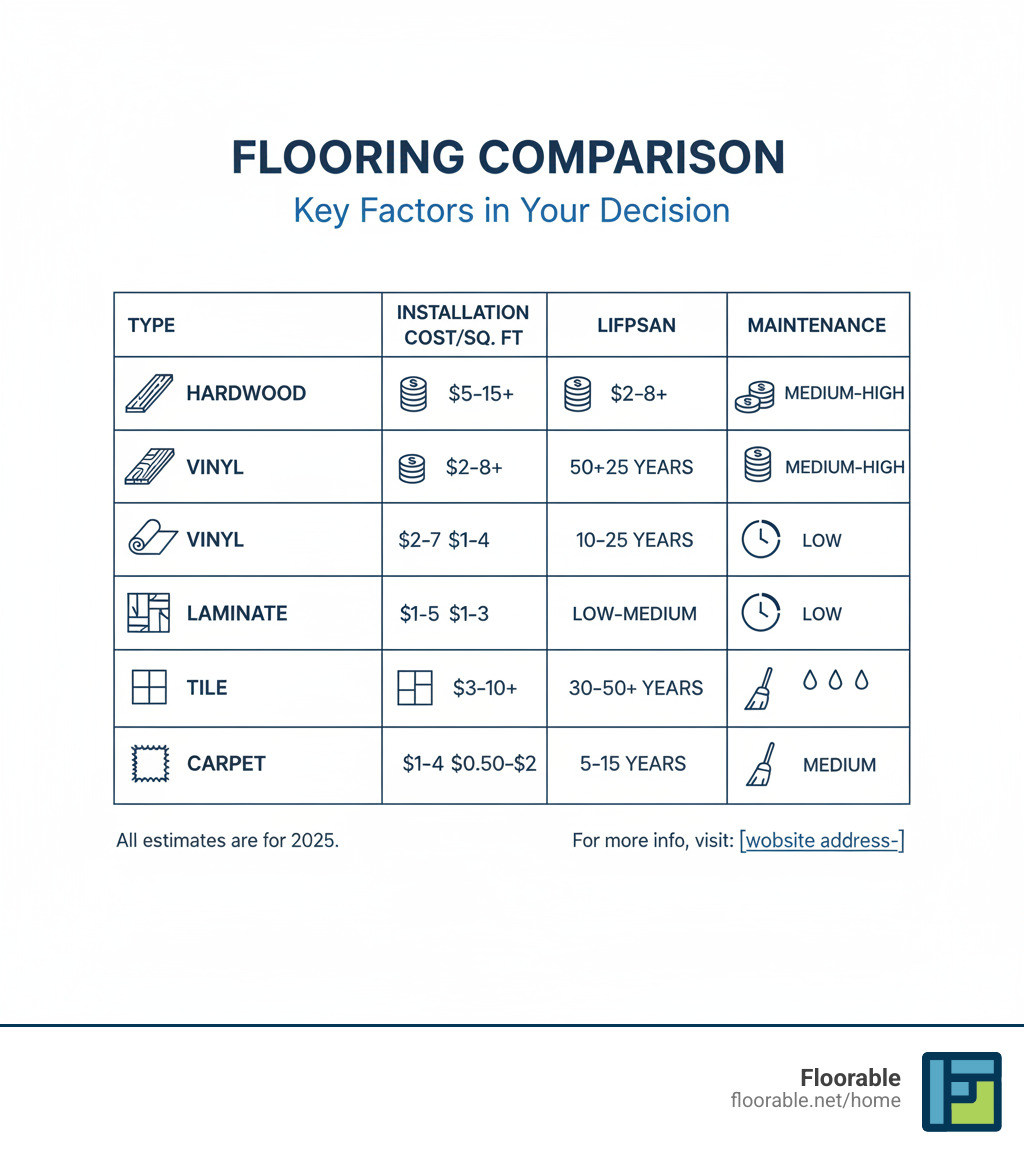
Flooring Type Initial Cost/Sq. Ft. (Material Est.) Professional Installation Cost/Sq. Ft. (Est.) Lifespan Maintenance Level Hardwood $5 - $15+ $2 - $8+ 50+ years (with refinishing) Medium-High Vinyl $2 - $7 $1 - $4 10-25 years Low Laminate $1 - $5 $1 - $3 10-25 years Low-Medium Tile $2 - $10+ $4 - $14+ 50+ years Medium Carpet $1 - $6 $1 - $3 5-15 years Medium-High
Note: These are estimated ranges and can vary widely based on material quality, brand, location, and complexity of installation.
Hardwood flooring consistently offers excellent return on investment, often increasing home value significantly due to its timeless appeal and incredible longevity. When properly maintained and refinished, hardwood can literally last a lifetime—and then some. Tile also holds its value exceptionally well, especially in kitchens and bathrooms where buyers expect to see durable, water-resistant materials.
Vinyl and laminate are cost-effective champions, but their value proposition is different. Their primary benefit lies in immediate aesthetic improvement and functionality rather than significant resale value boost. That said, they absolutely make a home more appealing to potential buyers by offering fresh, stylish looks without the maintenance headaches.
Carpet has the shortest lifespan of the major flooring types, typically needing replacement every 5-15 years depending on quality and traffic. While it won't dramatically increase your home's value, fresh, clean carpet in bedrooms can make your home feel more inviting and move-in ready.
Design, Aesthetics, and Current Flooring Trends
Your flooring choice is a major design element that sets the tone for an entire room. It's often the largest single surface in your space, influencing everything from perceived room size to overall mood and style.
Color and texture play crucial roles in this. Light-colored flooring can make a room feel larger and brighter—something we often recommend for smaller spaces or rooms with limited natural light. Dark flooring, on the other hand, adds a sense of richness and intimacy, creating that cozy, sophisticated atmosphere many homeowners crave. Textures like hand-scraped hardwood or embossed-in-register vinyl add depth and character, making your floors feel more authentic and lived-in from day one.
We're excited about several trends we're seeing right now. Wide plank flooring has become incredibly popular in hardwood, laminate, and luxury vinyl. These wider planks create a more expansive and contemporary look, reducing the number of seams and offering a sleek, modern aesthetic that makes rooms feel larger.
While classic straight installations remain timeless, we're seeing a beautiful resurgence in patterns like herringbone and chevron, especially with wood and tile. These patterns add a sophisticated, bespoke touch that lifts any space from ordinary to extraordinary. They do require more material and skilled installation, but the visual impact is worth it.
Sustainable materials are no longer just a nice-to-have—they're what many homeowners actively seek out. Materials like bamboo and cork flooring offer natural beauty, are easy to clean and maintain, and provide peace of mind for environmentally conscious homeowners. These renewable resources bring unique textures and warmth that you simply can't replicate with synthetic materials.
Waterproof flooring has evolved from a practical necessity to a major design trend. Homeowners want the look of wood or stone everywhere—even in moisture-prone areas—without fear of water damage. This demand has fueled the incredible rise of 100% waterproof luxury vinyl and hybrid flooring options that deliver both beauty and performance.
Finally, the industrial aesthetic continues to gain momentum. Polished concrete flooring appeals to homeowners seeking that minimalist, durable, and low-maintenance look that fits perfectly into modern and industrial-style interiors. It's honest, raw, and surprisingly versatile—working equally well in contemporary lofts and transitional homes.
Installation, Maintenance, and Finalizing Your Choice
From installation methods to long-term care, understanding the practical side of flooring ensures your investment lasts for years to come. We've been helping homeowners in Maui, HI, and Kernersville, NC, make these decisions for over 50 years, and we're here to guide you through every step.
DIY vs. Professional Installation
One of the first questions you'll face is whether to roll up your sleeves and tackle the installation yourself or bring in a professional. The answer really depends on the material you've chosen, your comfort level with tools, and honestly, how much time you have on your hands.
Some flooring types practically invite you to DIY. Click-lock systems found in many laminate and luxury vinyl plank options are genuinely designed with homeowners in mind. The planks snap together like a puzzle, floating over your subfloor without nails or glue. Peel-and-stick vinyl tiles are even more straightforward—just remove the backing and press them down. These projects typically need just basic tools like a utility knife, tape measure, and maybe a miter saw for cuts.
Other projects, though? They're worth calling in the experts. Solid hardwood installation requires specialized nailers, precise acclimation of the wood to your home's humidity, and years of experience to get those perfect transitions and patterns. Tile work demands meticulous subfloor preparation, the right thinset application, proper spacing, and skilled grouting. We've seen too many DIY tile jobs where uneven floors lead to cracked tiles down the road.
No matter who's doing the work, proper subfloor preparation is absolutely critical. Your subfloor is the foundation everything else sits on, and any bumps, dips, or moisture issues will telegraph right through your beautiful new floor. It needs to be clean, completely dry, level within industry standards, and structurally sound. Skipping this step is like building a house on sand. If you need help getting started, we carry all the sub-floor and accessories you'll need for a solid foundation.
A Simple Guide to Flooring Maintenance
Once your new flooring is installed, proper maintenance becomes your best friend for protecting that investment. Each material has its own personality and care requirements, but none of them are particularly demanding.
Hardwood needs a bit of attention to humidity levels. Too dry, and it can shrink and gap. Too humid, and it swells. Aim for that comfortable 35-55% range that's good for you and your floors. Clean with approved hardwood cleaners—never steam mops or excessive water. A slightly damp cloth is plenty. Those felt pads under furniture legs? They're worth every penny for preventing scratches. And a good doormat at entries catches the dirt and grit that acts like sandpaper on your finish.
Tile is wonderfully forgiving. Regular sweeping and occasional damp mopping keep it looking great. The real maintenance focus is on the grout between tiles. Grout is porous and loves to collect dirt and moisture, so sealing it every year or two (especially in bathrooms and kitchens) prevents staining and mildew. When it does get grimy, a grout brush and specialized cleaner work wonders.
For carpet, your vacuum is your most important tool. High-traffic areas benefit from several passes each week. When spills happen—and they will—blot them immediately with a clean cloth. Never rub, as that pushes the stain deeper into the fibers. An annual professional steam cleaning refreshes the pile and removes the deep-down dirt that regular vacuuming misses.
Vinyl and laminate are the low-maintenance champions of the flooring world. A quick sweep or vacuum handles daily debris, and when you need a deeper clean, a damp mop with a pH-neutral cleaner does the trick. The key word is "damp," not soaking wet. While vinyl handles water beautifully, laminate can be damaged if water seeps into the seams. Avoid harsh or abrasive cleaners that can dull the finish.
Visualize and Validate Your Choice
Making a flooring decision is a big commitment, and we want you to feel absolutely confident before you invest. That's where modern visualization tools become incredibly valuable.
We encourage you to use a room design tool to see how different flooring options will actually look in your space. You can upload a photo of your own room and virtually "try on" various colors, patterns, and materials. It's like trying on clothes before you buy them, except for your floors! This eliminates so much of the guesswork and those "what if" worries. You might think you want dark hardwood until you see it in your room and realize a lighter tone opens up the space beautifully. Try our room design tool to explore possibilities and gain confidence in your choice.
Beyond aesthetics, your flooring can impact your home's energy efficiency. Materials with good thermal properties act as insulators, helping regulate temperature and potentially reducing your heating and cooling costs. Carpet excels here, providing excellent thermal insulation that keeps rooms warmer in winter. Even the thickness of your flooring and underlayment can make a noticeable difference in comfort and energy bills.
If you're considering radiant floor heating—and it's a wonderfully luxurious feature—certain flooring types work better than others. Tile and stone are natural partners for radiant systems because they conduct heat efficiently and evenly. Engineered wood is also a solid choice thanks to its stability under temperature changes. Solid hardwood can work with radiant heat, but it requires careful installation, proper humidity control, and an experienced installer who understands how the wood will respond to heat fluctuations. Research shows that wood flooring structures can actually be optimized for energy conservation when paired with radiant systems.
With over 50 years of experience changing homes, we've learned that the right flooring choice comes down to matching material to lifestyle, room function to practicality, and personal style to long-term value. Whether you're updating a single room or reimagining your entire home, we're here to help you find that perfect foundation.
Conclusion
You've now explored flooring options, from the timeless beauty of hardwood to the practical versatility of vinyl, and everything in between. We've walked through kitchens that need waterproof durability, bedrooms that deserve cozy warmth, and bathrooms that demand moisture resistance. You've learned about costs, lifespans, maintenance needs, and how each material brings its own personality to your space.
The journey to finding your perfect floor isn't just about picking what looks nice in a showroom. It's about understanding how you actually live in your home. Do you have kids who spill juice at breakfast? A bathroom that sees daily showers? A living room where you gather with family and friends? These real-life moments matter more than any design trend.
Your flooring choice shapes more than just the look of a room—it influences how comfortable you feel walking barefoot on a chilly morning, how easily you can clean up after dinner, and yes, even how much your home might be worth when you eventually sell. That's why we've covered everything from the Janka hardness scale to grout maintenance, from click-lock installation to thermal performance with radiant heating.
Maybe you're leaning toward the neat investment of hardwood that can last generations with proper care. Perhaps the waterproof practicality of luxury vinyl plank speaks to your busy lifestyle. Or maybe you're drawn to the soft comfort of carpet in your bedroom retreat. Whatever direction feels right, you now have the knowledge to make that decision with confidence.
At Floorable, we've spent over 50 years helping homeowners in Maui, HI, and Kernersville, NC, find their perfect match. We've seen how the right flooring transforms not just rooms, but how people feel in their homes. We understand that your home is personal, and your flooring should be too.
Whether you need guidance on which material suits your lifestyle, help visualizing how a new floor will look in your space, or professional installation to ensure everything is done right, we're here for you. Your dream floor is waiting.