
Discover the Benefits of LVP Flooring for Every Space
Luxury Vinyl Plank Flooring — What It Is and Why It Works
Luxury Vinyl Plank (LVP) has become a go-to choice for homeowners and business owners who want the look of wood or stone without the upkeep. It balances style, toughness, and value—which is why we'll walk you through how LVP is built, the pros and cons, common installation methods, top brands in 2024, and simple maintenance tips. Choosing the right floor can feel confusing; this guide breaks the details down so you can pick a floor that fits your space, lifestyle, and budget.
What is Luxury Vinyl Plank Flooring and How is it Constructed?
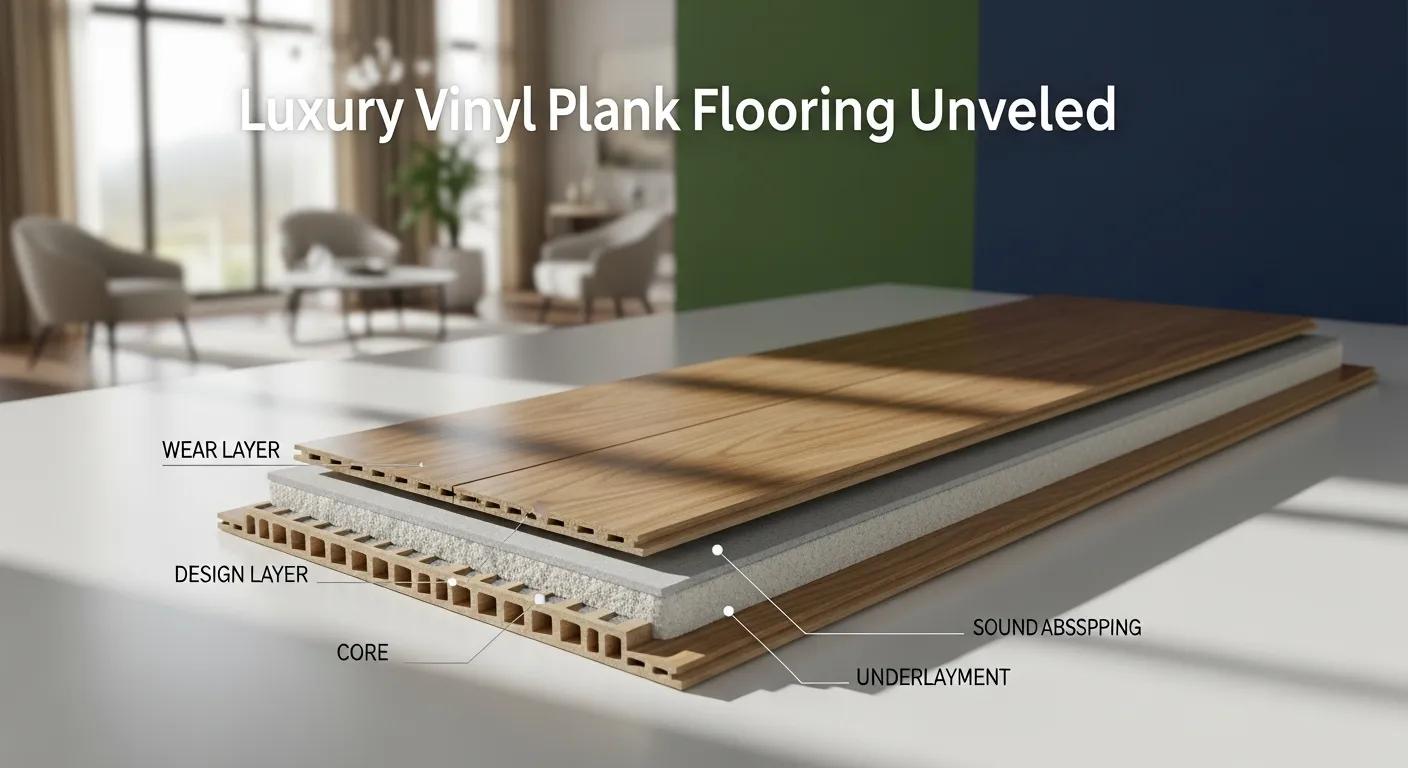
Luxury Vinyl Plank (LVP) is a manufactured flooring designed to mimic natural materials while offering greater durability and moisture resistance. LVP is made from several stacked layers, each adding to performance and appearance. The topmost wear layer shields the surface from scratches and stains. Below that, the design layer delivers the realistic wood or stone visuals, and the core gives the plank its strength and stability. Knowing how these layers work helps you choose the right product for your needs.
Put simply, the wear layer is the first line of defense that keeps the floor looking fresh over time.
Vinyl Flooring Wear Layer: Abrasion & Light Resistance
The final coating is an abrasion- and light-resistant wear layer. It also records factors like gauge, line speed, and the temperatures of individual ovens or oven zones.
Vinyl and Urethane Coated Fabrics for Shoe Uppers, 1975
Key Layers of LVP Flooring and What They Do
- Wear Layer: A clear protective coat that stands up to scratches, stains, and everyday wear so the surface stays attractive.
- Design Layer: A high-resolution printed layer that recreates wood grain or stone detail for realistic looks.
- Core Layer: The structural center that adds stability and strength. Common core types include Stone Plastic Composite (SPC) and Wood Plastic Composite (WPC).
- Backing Layer: A base layer that adds comfort and helps reduce sound for a quieter room.
SPC vs WPC: How Their Cores Differ
| Core Type | Composition | Benefits | Ideal Use Cases |
|---|---|---|---|
| SPC | Limestone powder and PVC | Extremely durable, very water-resistant, and dimensionally stable | High-traffic zones and commercial spaces |
| WPC | Wood flour and PVC | Softer underfoot and better sound insulation | Residential rooms where comfort matters |
SPC delivers a rigid, hard-wearing surface that’s great for busy areas. WPC gives a slightly softer feel and more cushioning, which many homeowners prefer in living spaces and bedrooms.
Benefits and Drawbacks of Waterproof LVP Flooring
Waterproof LVP is popular because it handles moisture far better than traditional wood and many laminates. That opens up LVP for kitchens, baths, basements, and other areas where spills or humidity are concerns. Still, there are trade-offs to consider before you buy.
Advantages of Waterproof LVP for Homes and Businesses
- Water Resistance: Designed for wet areas—perfect for kitchens, bathrooms, and basements where water exposure is likely.
- Durability: Built to resist everyday wear, LVP stands up to heavy foot traffic in both homes and commercial settings.
- Easy Maintenance: Routine sweeping and an occasional damp mop keep LVP looking good with minimal fuss.
Those strengths make waterproof LVP a practical, low-maintenance option for many spaces.
Common Limitations and What to Consider
- Cost: Premium waterproof LVP can cost more than basic vinyl sheet flooring and is usually on par with laminate in price.
- Installation: Proper installation matters for waterproof performance—some jobs are best left to pros.
- Long-term Wear: While durable, LVP may not match the lifespan of natural hardwood or stone in every situation.
Weighing these factors helps you decide if LVP is the right fit for your project.
Which Luxury Vinyl Plank Brands to Consider in 2024
The LVP market has several reliable brands known for good design, build quality, and warranties. Comparing those options will point you to products that fit your style and durability needs.
Top Brands: Quality, Warranty, and Design at a Glance
| Brand | Quality | Warranty Length | Design Options |
|---|---|---|---|
| Shaw Floors | High | 25 years | Wide range of styles and colors |
| Armstrong | Medium | 15 years | Fewer styles but solid durability |
| COREtec | High | Lifetime | Extensive designs with realistic textures |
Brands like Shaw Floors and COREtec are popular for their realistic textures, color choices, and strong warranties—good options if you want both looks and longevity.
Environmental Certifications and VOC Standards to Look For
- FloorScore: Shows low VOC emissions for better indoor air quality.
- GreenGuard Gold: Confirms the product meets strict chemical emission standards.
Choosing certified products helps protect indoor air quality—especially important for homes with children, pets, or allergy concerns.
How to Install Luxury Vinyl Plank Flooring: Step-by-Step
Installing LVP can be a doable DIY project for straightforward rooms, but complex layouts or moisture issues may call for a pro. Knowing the steps and prep work will help you get a solid result.
Tools and Prep You’ll Need
- Tools: Utility knife, measuring tape, straight edge, and a tapping block.
- Materials: Underlayment (if needed), adhesive for glue-down installs, and spacers.
- Preparation: Make sure the subfloor is clean, dry, and level before you start—uneven surfaces cause problems later.
Good prep and the right tools set you up for a smooth installation.
Click-Lock vs Glue-Down: Which Method Fits Your Project?
| Installation Method | Description | Pros | Cons |
|---|---|---|---|
| Click-Lock | Planks snap together without adhesive | Simple to install and DIY-friendly | Requires a flat, level subfloor |
| Glue-Down | Planks are adhered directly to the subfloor | Works on slightly uneven surfaces and feels more permanent | More labor-intensive with longer cure times |
Pick the method that matches your skill level and the condition of your subfloor.
Durability of Luxury Vinyl Plank Flooring and How to Maintain It
Durability is a major selling point for LVP. Its lifespan depends on a few key factors—and a little routine care goes a long way.
What Affects LVP Durability: Wear Layer, Core, and Environment
- Wear Layer Thickness: Thicker wear layers resist scratches and dents better. Common ranges run from about 6 mil up to 20 mil or more.
- Core Type: SPC cores are tougher and better for heavy traffic; WPC offers more comfort underfoot.
- Environmental Conditions: Extreme heat, cold, or humidity can affect performance—proper acclimation before installation helps.
These elements determine how long your floor will perform and look good.
Wear and tear in flooring is complex—engineers study it closely to predict and reduce material degradation over time.
Understanding Wear Degradation in Flooring & Materials
Studying wear, forecasting it, and finding ways to reduce it are among the toughest challenges engineers face. The movement of one surface against another matters in many systems—everything from animal joints and engine parts to floors, shoes, and conveyor belts is affected by wear.
The Wear, RA Al-Samarai, 2024
Cleaning, Stain Removal, and Repair Tips
- Regular Cleaning: Sweep or vacuum often to remove grit, then damp-mop with a mild cleaner as needed.
- Stain Removal: For stubborn spots, use a gentle vinyl floor cleaner mixed with water; avoid harsh acids like straight vinegar that can dull finishes.
- Repairing Scratches: Small scratches can be reduced with a vinyl repair kit; deeper damage may require replacing individual planks or calling a pro.
Follow these simple practices and your LVP can stay attractive for many years.
| Feature | Description | Benefit |
|---|---|---|
| Wear Layer | Thickness varies by product | Protects against scratches and daily wear |
| Core Type | SPC or WPC options | Affects durability and comfort |
| Maintenance | Simple cleaning routines | Helps preserve appearance and lifespan |
This summary highlights the key features that influence how well an LVP floor performs—use it to match product choices to your priorities.