
Professional Carpet Installation Services & Guide
Expert Carpet Installation & Cost Guide
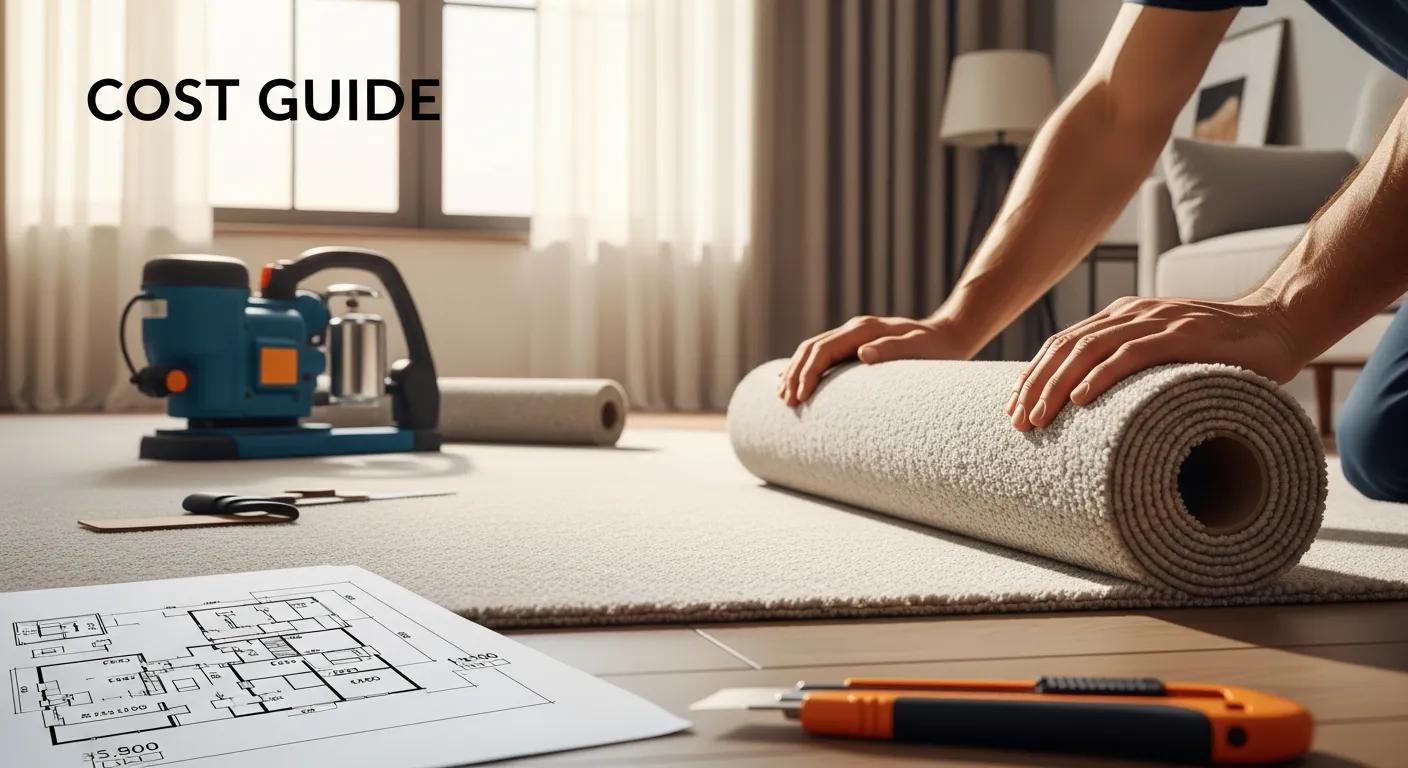
Professional carpet installation services provide precise fitting for homeowners and businesses seeking durable, high-quality flooring. Proper installation ensures carpets are laid correctly, enhances appearance, and extends usable life. This guide examines benefits, carpet types, cost factors, and installer selection to support informed decisions and successful projects.
This guide addresses the benefits of professional installation, quality assurance practices used by fitters, carpet types, cost considerations, and criteria for choosing installers. It also includes maintenance recommendations to preserve carpet condition over time.
What Are Professional Carpet Installation Services and Their Benefits?
Professional carpet installation comprises expert fitting in residential and commercial settings and delivers several practical benefits:
- Expertise and Experience : Professional installers have the training and experience necessary to handle various types of carpets and installation methods, ensuring a flawless finish.
- Proper Tools and Techniques : Professionals use specialized tools and techniques that guarantee the carpet is laid correctly, reducing the risk of damage and ensuring longevity.
- Post-Installation Support : Many professional services offer warranties and support after installation, providing peace of mind for homeowners and businesses.
Floorable provides comprehensive residential and commercial installation services; their expertise helps ensure installations meet high standards and improve the appearance and comfort of your space.
How Do Professional Carpet Fitters Ensure Quality Carpet Laying?
Professional carpet fitters apply a set of standard methods to ensure quality installation. These methods include:
- Preparation Steps : Before installation, fitters assess the area, ensuring the subfloor is clean, dry, and level. This preparation is crucial for a successful installation.
- Accurate Measurement : Fitters take precise measurements to minimize waste and ensure the carpet fits perfectly in the designated area.
- Choosing the Right Installation Method : Depending on the type of carpet and the space, fitters select the most appropriate installation method, whether it be stretch-in, glue-down, or another technique.
These quality assurance practices help ensure the carpet both looks appropriate and performs reliably over time.
What Types of Carpets and Materials Are Available for Installation?
Various carpet types and materials are available for installation, each offering distinct benefits. Common options include:
- Plush Carpet : Known for its soft texture, plush carpet provides comfort and warmth, making it ideal for bedrooms and living areas.
- Berber Carpet : This durable option features looped fibers, making it resistant to wear and tear, perfect for high-traffic areas.
- Frieze Carpet : With its twisted fibers, frieze carpet offers a casual look and is excellent at hiding footprints and dirt.
Understanding these carpet types assists in selecting the option that best meets your functional needs and aesthetic preferences.
How Much Does Carpet Installation Cost?
Installation cost varies by carpet type, area size, and installation complexity. On average, homeowners can expect to pay between $2 and $4 per square foot for installation, excluding the carpet material.
Floorable provides competitive pricing for installation services. For a precise estimate, it is advisable to contact them directly for a personalised quote based on your project specifications.
What Factors Influence Carpet Installation Pricing?
Several factors affect carpet installation pricing, including:
- Preparation Requirements : If the subfloor needs repairs or additional preparation, this can increase the overall cost.
- Room Size and Measurements : Larger rooms will naturally require more carpet and labor, affecting the total price.
- Type of Carpet and Padding : The choice of carpet and padding can significantly impact the cost, with higher-end materials typically costing more.
Recognising these factors will help you budget and plan for your carpet installation project.
How to Get Accurate Flooring Estimates for Your Project?
Obtaining accurate flooring estimates is essential for project planning. Consider the following methods:
- Request a Free Estimate : Many carpet installation companies, including Floorable, offer free estimates to help you understand the potential costs involved.
- Use the Floor Visualizer Tool : This tool allows you to see how different carpets will look in your space, aiding in your decision-making process.
- Contact the Team for Personalized Consultations : Engaging with professionals can provide insights into the best options for your specific needs and budget.
These steps provide a clearer view of expected costs and support informed decision-making.
Understanding the nuances of cost estimation is crucial for any installation project, as highlighted by historical insights into project management.
Installation Project Cost Estimating Techniques
Estimating construction, installation, and renovation projects is a key competency in building and facilities management. In addition to knowing how to estimate, it is necessary to understand the required degree of accuracy at each stage of a project.
Cost Estimating Techniques, 1983
What Is the Step-by-Step Process for New Carpet Installation?
New carpet installation typically follows these key steps:
- Preparation : This includes removing old flooring, cleaning the subfloor, and making any necessary repairs.
- Installation : The carpet is laid according to the chosen method, ensuring it fits snugly and securely.
- Final Touches : After installation, fitters will trim excess carpet and ensure everything is neat and tidy.
Adhering to this structured process supports a successful and reliable installation.
How Is Carpet Removal and Preparation Handled?
Carpet removal and preparation are essential components of the installation process. Typical activities include:
- Removing Old Flooring : Professionals will carefully remove any existing carpet or flooring to prepare the area for the new installation.
- Cleaning the Subfloor : A clean subfloor is essential for proper adhesion and longevity of the new carpet.
- Repairing the Subfloor : If there are any damages, such as cracks or uneven areas, these will need to be repaired before new carpet can be installed.
Proper execution of these steps ensures a smooth installation and improves the performance of the new carpet.
What Are the Key Carpet Fitting and Stretching Techniques?
Key techniques in carpet fitting and stretching include:
- Preparation of the Subfloor : Ensuring the subfloor is clean and level is crucial for a successful installation.
- Underpad Installation : Installing an underpad can enhance comfort and prolong the life of the carpet.
- Stretching Techniques : Fitters use specialized tools to stretch the carpet, ensuring it fits tightly and reduces the risk of wrinkles or buckling.
Applying these techniques is necessary to achieve a professional finish and consistent long-term performance.
How to Choose the Best Carpet Installers Near You?
Selecting the right carpet installers is critical to project success. Consider the following criteria:
- Look for Credentials : Ensure that the installers are licensed and insured, which protects you in case of any issues during the installation.
- Check Reviews : Reading customer reviews can provide insights into the quality of work and customer service.
- Evaluate Experience : Consider how long the installers have been in business and their experience with different types of carpets.
Following these guidelines will help you identify reliable installers who meet your project requirements.
What Credentials and Reviews Should You Look For?
When evaluating carpet installers, focus on credentials and customer feedback:
- Expertise in Flooring Types : Installers should have experience with various carpet types and installation methods.
- Customer Satisfaction : Positive reviews and testimonials can indicate a history of satisfied customers.
- Quality Craftsmanship : Look for evidence of high-quality work, such as photos of previous installations.
These considerations assist in selecting a reputable installer for your carpet project.
How Does Floorable Support Customers with Verified Reviews and Contact Options?
Floorable provides customer support via multiple channels and publishes customer feedback, including verified reviews. They offer phone and email contact options to facilitate inquiries and support. This transparency and accessibility help build customer trust.
What Are Essential Carpet Maintenance Tips and Warranty Information?
To maintain your carpet, implement the following practices:
- Regular Vacuuming : Frequent vacuuming helps to remove dirt and debris, prolonging the life of your carpet.
- Professional Cleaning : Schedule professional cleanings every 12-18 months to maintain appearance and hygiene.
- Warranty Coverage : Understand the warranty terms provided by your installer, as this can protect your investment.
These maintenance actions help preserve appearance and extend the service life of your carpet.
How to Maintain Your Carpet for Longevity and Appearance?
Carpet maintenance includes several core practices:
- Immediate Spill Management : Address spills promptly to prevent stains from setting in.
- Furniture Rotation : Regularly rotate furniture to avoid uneven wear on the carpet.
- Seasonal Care : Adjust your cleaning routine based on seasonal changes, such as increased dirt during winter months.
Implementing these measures will extend carpet life and help maintain a consistent appearance.
What Warranty Coverage Is Typically Offered with Carpet Installation?
Warranty coverage for carpet installation varies, but typically includes:
- Typical Warranty Terms : Most carpets come with a warranty ranging from 5 to 20 years, depending on the material and manufacturer.
- Coverage Details : Warranties often cover defects in materials and workmanship, providing peace of mind for homeowners.
- Claim Process : Familiarize yourself with the claim process to ensure you can easily access warranty services if needed.
Understanding warranty terms is essential to protect your investment in new carpet.
What Are the Latest Trends in Eco-Friendly and Smart Carpet Installation?
The carpet installation industry is evolving with an emphasis on sustainability and technology. Key trends include:
collections.
- Eco-Friendly Materials : Many manufacturers are now offering carpets made from recycled materials or natural fibers, reducing environmental impact.
- Smart Installation Technologies : Innovations in installation techniques and tools are improving efficiency and accuracy.
- Market Trends : There is a growing demand for sustainable products, reflecting consumer preferences for environmentally responsible choices.
Awareness of these trends supports choices that align with environmental and performance objectives.
Which Eco-Friendly Carpet Materials Are Available?
Eco-friendly carpet materials are increasingly available. Common options include:
- Natural Fibers : Carpets made from wool, jute, or sisal are biodegradable and sustainable.
- Recycled Materials : Carpets made from recycled plastics or other materials help reduce waste and environmental impact.
- Sustainability Benefits : Choosing eco-friendly carpets can contribute to a healthier indoor environment and lower carbon footprint.
These materials provide environmental benefits while offering distinct aesthetic qualities.
How Are Smart Installation Technologies Improving Service Quality?
Smart installation technologies improve service quality through several advancements:
- Use of Advanced Tools : New tools and equipment improve precision and efficiency during installation.
- Customer Experience Enhancement : Technology allows for better communication and project management, leading to a smoother installation process.
- Efficiency Improvements : Streamlined processes reduce installation time and costs, benefiting both installers and customers.
For inquiries or support, you can contact Floorable . Adopting these technologies can improve efficiency and client satisfaction.
Frequently Asked Questions
What should I consider when choosing carpet padding?
Selecting the right carpet padding is crucial for comfort and durability. Consider the thickness and density of the padding; thicker options provide more cushioning but may not be suitable for all carpet types. Additionally, moisture-resistant padding is advisable in areas prone to spills or humidity. Always confirm compatibility with your chosen carpet and consult your installer for recommendations tailored to your specific needs.
How long does a typical carpet installation take?
The duration of carpet installation can vary significantly based on factors such as the size of the area, the type of carpet, and the complexity of the installation. Generally, a standard room installation may take anywhere from several hours to a full day. If additional preparation is needed, like subfloor repairs or removal of old flooring, this will extend the timeline. It's best to discuss the expected duration with your installer for a more accurate estimate.
Are there any specific maintenance tips for different carpet types?
Yes, maintenance varies depending on the carpet type. For plush carpets, regular vacuuming is essential to prevent matting, while Berber carpets may require less frequent vacuuming due to their looped fibers. Frieze carpets benefit from occasional professional cleaning to maintain their appearance. Regardless of the type, prompt management of spills is crucial. Understanding the specific care requirements for your carpet type will help ensure its longevity and aesthetic appeal.
What are the benefits of eco-friendly carpets?
Eco-friendly carpets offer numerous advantages, including reduced environmental impact and improved indoor air quality. Made from natural fibers or recycled materials, they help minimize waste and often contain fewer harmful chemicals. Many eco-friendly options are also durable and long-lasting, providing both functional value and alignment with sustainability goals. Choosing eco-friendly carpets can contribute to a healthier living environment while supporting responsible consumer choices.
How can I prepare my home for carpet installation?
Preparing your home for carpet installation involves several steps. Start by clearing the area of furniture and any obstacles to provide installers with unobstructed access. Ensure the subfloor is clean and dry to facilitate proper installation. If you have pets, consider keeping them in a separate area during the installation process. Communicate any specific concerns or requirements to your installer beforehand to ensure a smooth experience.
What should I do if I notice a problem with my carpet after installation?
If you notice any issues with your carpet post-installation, such as wrinkles, seam separation, or discoloration, it's important to contact your installer as soon as possible. Most professional services offer warranties that cover defects in materials and workmanship. Document the issue with photographs and a detailed description to facilitate the resolution process. Timely communication is key to addressing any concerns effectively.
Can I install carpet myself, or should I hire a professional?
While DIY carpet installation is possible, hiring a professional is generally recommended for optimal results. Professionals possess the necessary tools, skills, and experience to handle various carpet types and installation methods effectively. They can also address any subfloor issues and provide post-installation support. If you lack confidence in your abilities or the required equipment, engaging a professional installer is the best choice for a successful project.
What should I consider when choosing carpet padding?
Select padding based on thickness and density to balance comfort and support. Thicker padding increases cushioning but may not suit all carpet types. Choose moisture-resistant padding in areas prone to spills or humidity. Confirm compatibility with your carpet and consult your installer for a recommended option.
How long does a typical carpet installation take?
Installation time depends on area size, carpet type, and installation complexity. A standard room installation typically requires several hours to a full day. Additional preparation, such as subfloor repairs or removal of old flooring, will extend the schedule. Discuss the expected timeline with your installer for a precise estimate.
Are there any specific maintenance tips for different carpet types?
Maintenance varies by carpet type. Plush carpets require regular vacuuming to prevent matting; Berber carpets may need less frequent vacuuming due to looped fibers; frieze carpets benefit from occasional professional cleaning. All carpet types require prompt spill management. Understanding specific care needs helps maintain appearance and longevity.
What are the benefits of eco-friendly carpets?
Eco-friendly carpets reduce environmental impact and can improve indoor air quality. Made from natural fibres or recycled materials, they minimise waste and often contain fewer harmful chemicals. Many eco-friendly options are durable and long-lasting, offering both functional value and alignment with sustainability goals.
How can I prepare my home for carpet installation?
Prepare by clearing furniture and obstacles to provide installers with unobstructed access. Ensure the subfloor is clean and dry. If you have pets, consider keeping them in a separate area during installation. Communicate any specific concerns or requirements to your installer before work begins.
What should I do if I notice a problem with my carpet after installation?
If you observe issues—such as wrinkles, seam separation, or discolouration—contact your installer promptly. Most professional services offer warranties that cover defects in materials and workmanship. Document the issue with photographs and a detailed description when reporting the problem. Timely communication facilitates resolution.
Can I install carpet myself, or should I hire a professional?
DIY installation is possible, but hiring a professional is generally recommended for best results. Professionals have the necessary tools, skills, and experience to handle various carpet types and installation methods, address subfloor issues, and provide post-installation support. If you lack confidence or equipment, engage a professional installer.
Conclusion
Professional carpet installation enhances appearance and supports long-term durability. Understanding carpet types and cost factors enables informed decisions that match project goals. For a seamless outcome, engage trusted professionals who can guide the process and deliver expert installation. Explore available services to arrange installation with qualified specialists.